Ember Tetra
Hyphessobrycon amandae
Family: Characidae • Origin: South America
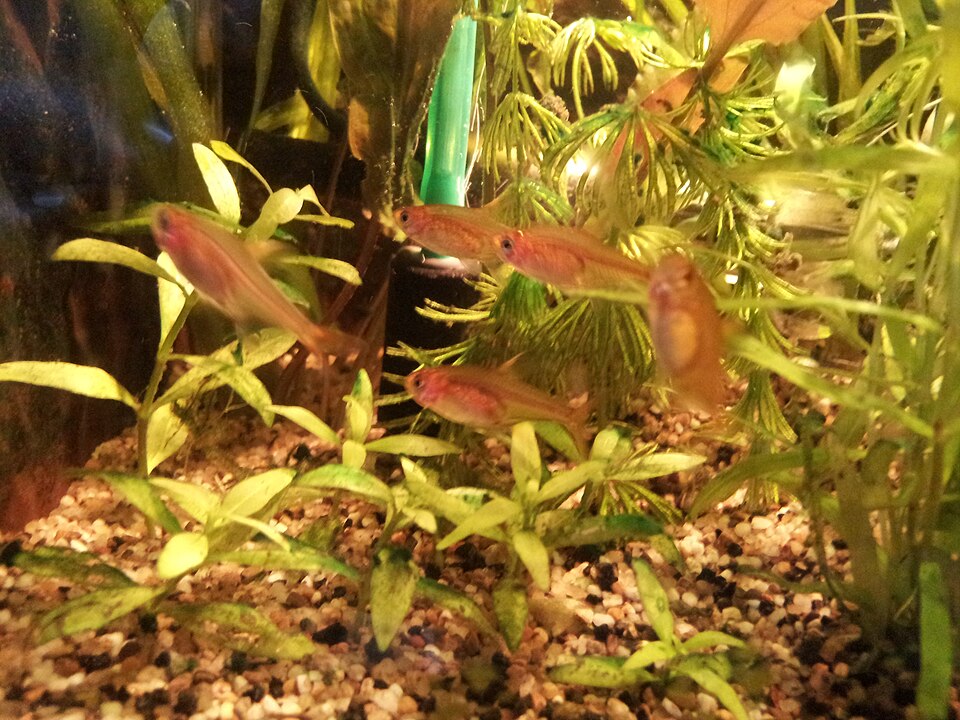
Ember Tetras (Hyphessobrycon amandae) are tiny jewels that glow orange-red in a planted tank. Named after the fiery coloration of healthy adults, they are one of the best nano fish available. Discovered in 1987 in the Araguaia River basin of Brazil, they have become a staple for planted nano tanks and shrimp-safe community setups. Despite their small size (under 1 inch), a school of 10+ creates a spectacular display of warm color that pops against green plants and dark substrates.
Is Ember Tetra Right for Your Tank?
Ember Tetra is an excellent choice for beginners — rated "beginner" difficulty (1/5). They're hardy, forgiving of minor water parameter fluctuations, and generally easy to feed. At just 5 gallons minimum, they work well in nano tanks and smaller setups.
With a peaceful temperament, Ember Tetra makes a great community fish. They coexist well with other non-aggressive species of similar size. This is a schooling species — keep at least 8 together, or they may become stressed and display abnormal behavior. Expected lifespan: 3 years with proper care.
Common Mistakes with Ember Tetra
Keeping fewer than 8 together
Ember Tetra is a schooling species — they need a group of at least 8 to feel secure. Lone or paired individuals become stressed, hide constantly, and may develop health issues or aggression.
Relying on a heater without a thermometer
Ember Tetra needs 73–84°F. Heaters malfunction or drift over time — always use a separate thermometer to verify. Temperature swings of even 3–4°F can trigger stress and disease, particularly ich.
Putting them in a tank under 5 gallons
While 5 gallons is the minimum, nano tanks require more frequent water changes and leave less room for error. A slightly larger tank (10 gal) is much more forgiving.
Care Tips
- • Keep in schools of 8-12 for best coloring and natural behavior
- • Ideal for planted nano tanks — 5 gallons minimum, 10 gallons recommended
- • Provide fine-particle foods like crushed flakes, micro pellets, and baby brine shrimp
- • Looks best against dark substrate (black sand or dark gravel intensifies their color)
- • Completely shrimp-safe — will not bother cherry shrimp or neocaridina
- • Prefers gentle filtration with low to moderate flow
- • Thrives in soft, slightly acidic water but adapts to a range of conditions
- • Add floating plants to diffuse light and reduce stress
- • Color fades under bright lighting or when stressed — dim the tank for best display
- • Avoid housing with large or boisterous fish that may outcompete them for food
Feeding: Crushed flakes, micro pellets, baby brine shrimp, daphnia, and cyclops. Their tiny mouths require appropriately sized foods. Feed small amounts 2-3 times daily rather than one large feeding. They will also graze on biofilm and micro-organisms in a mature planted tank.
Compatibility Notes: Tiny and peaceful — only keep with other nano-sized, gentle species. Ideal companions include cherry shrimp, chili rasboras, pygmy corydoras, and otocinclus. Avoid any fish large enough to eat them (anything over 3 inches) or fast-moving species that will outcompete them at feeding time.
Tank Setup & Water Parameters
Tank Requirements
- Minimum Tank Size
- 5 gallons
- Recommended Tank Size
- 10 gallons
- Swimming Level
- middle
- Minimum School Size
- 8+ fish
Water Parameters
- Temperature
- 73–84°F
- pH Range
- 5.5–7
- Hardness (dGH)
- 1–10
- Water Type
- freshwater
Behavior & Temperament
- Temperament
- peaceful
- Aggression Level
- 1/5
- Schooling
- Yes
- Territorial
- No
- Fin Nipper
- No
- Predatory
- No
- Diet Type
- omnivore
- Growth Rate
- slow
Tiny and peaceful — only keep with other nano-sized, gentle species. Ideal companions include cherry shrimp, chili rasboras, pygmy corydoras, and otocinclus. Avoid any fish large enough to eat them (anything over 3 inches) or fast-moving species that will outcompete them at feeding time.
Breeding
- Breeding Type
- egg layer
- Breeding Difficulty
- moderate
- Lifespan
- 3 years
Ideal For
Compatible Tank Mates
View all →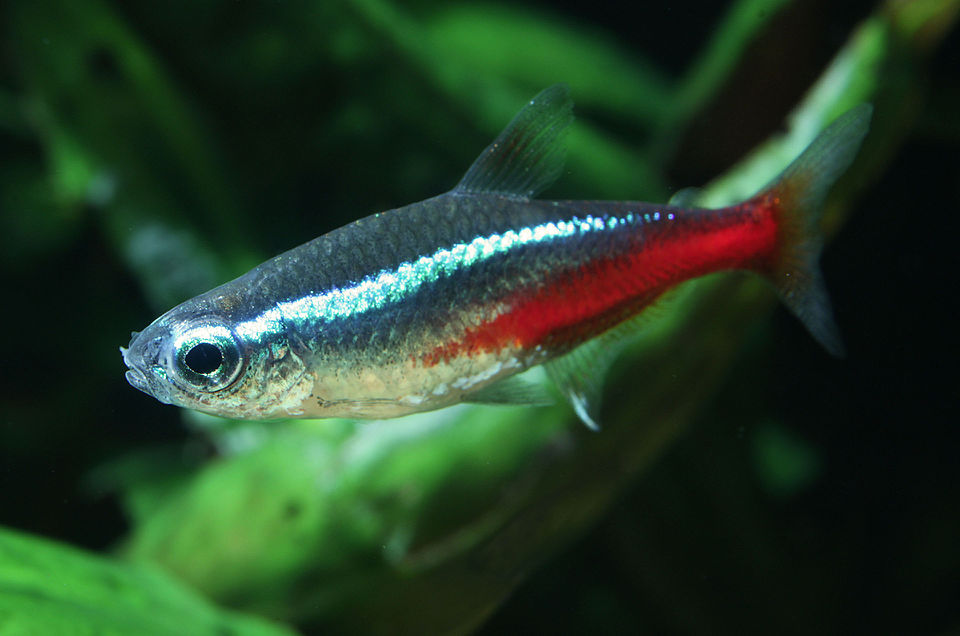
Neon Tetra
Paracheirodon innesi
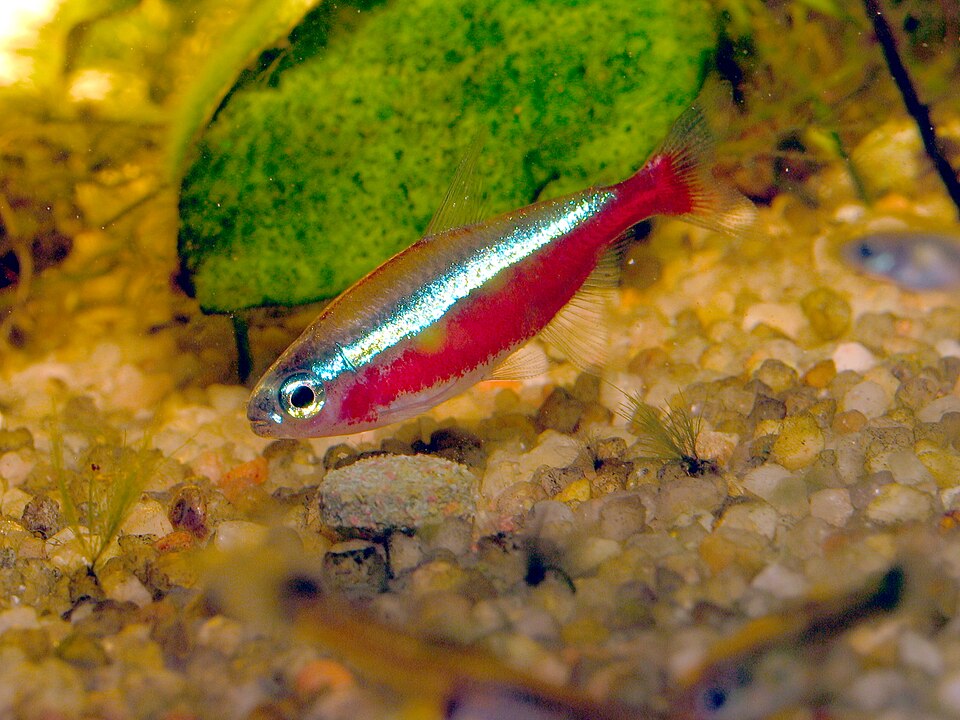
Cardinal Tetra
Paracheirodon axelrodi
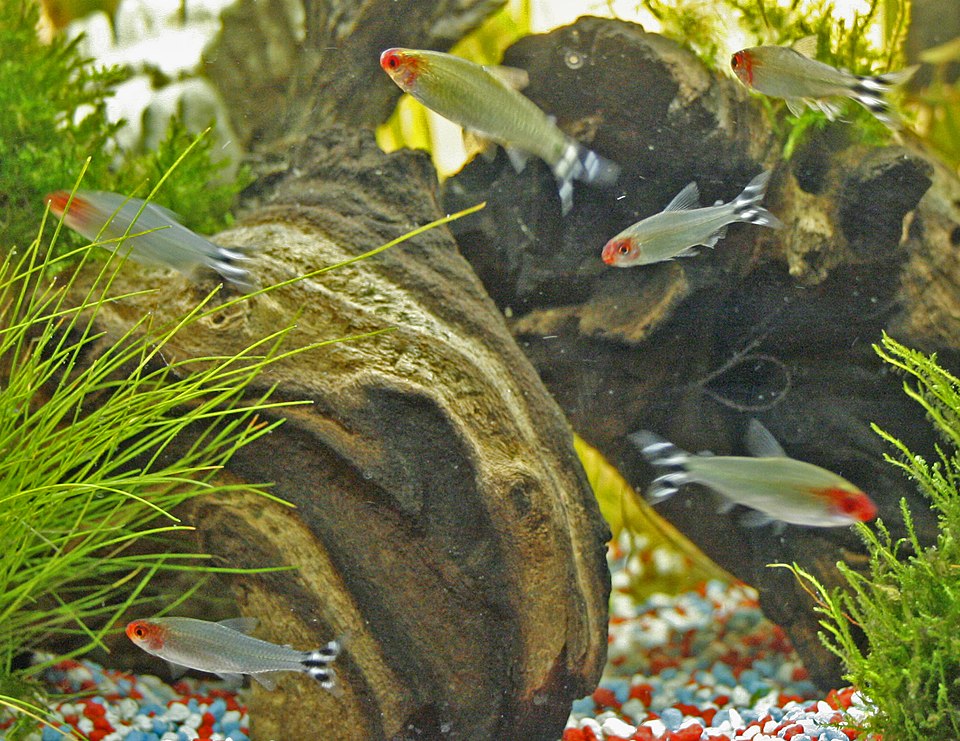
Rummy Nose Tetra
Hemigrammus rhodostomus
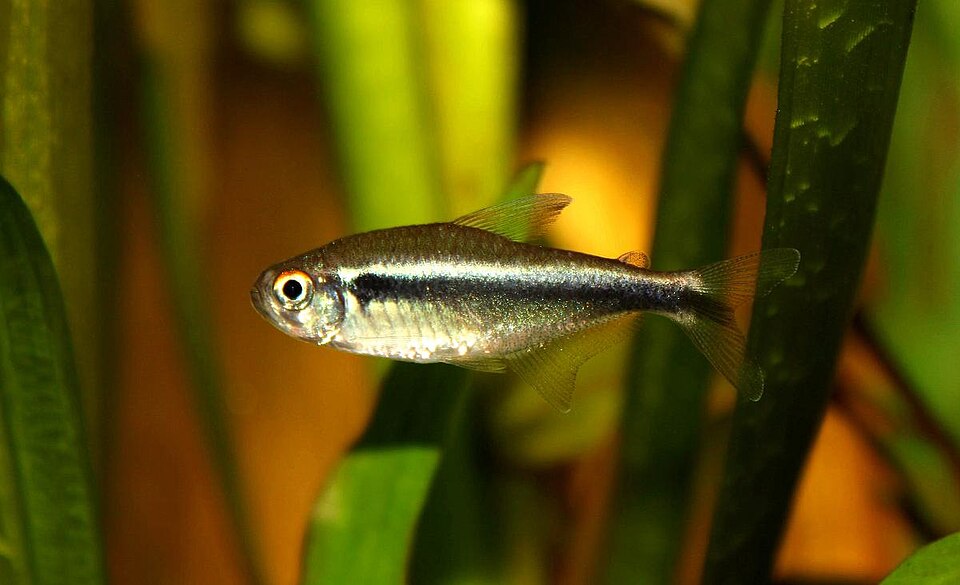
Black Neon Tetra
Hyphessobrycon herbertaxelrodi
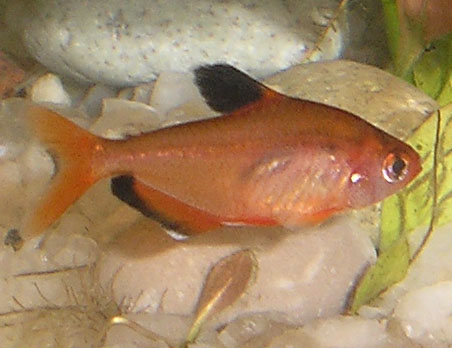
Serpae Tetra
Hyphessobrycon eques
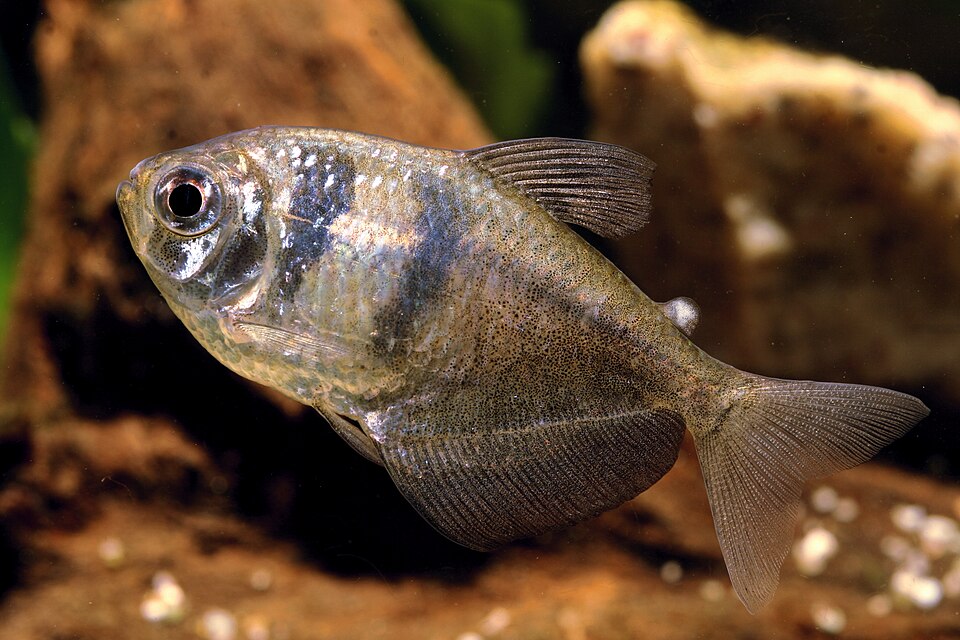
Black Skirt Tetra
Gymnocorymbus ternetzi
Similar Species
Neon Tetra
Paracheirodon innesi
Black Neon Tetra
Hyphessobrycon herbertaxelrodi
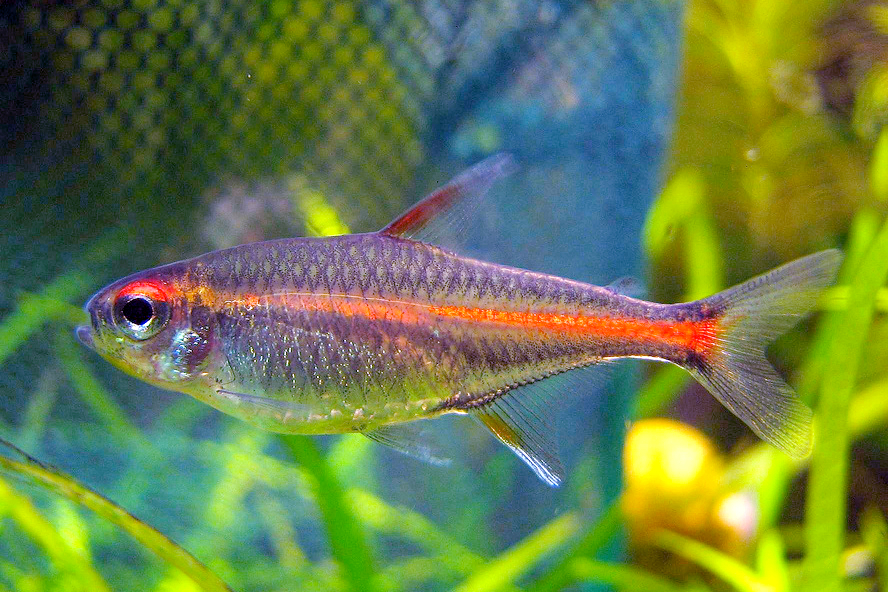
Glowlight Tetra
Hemigrammus erythrozonus
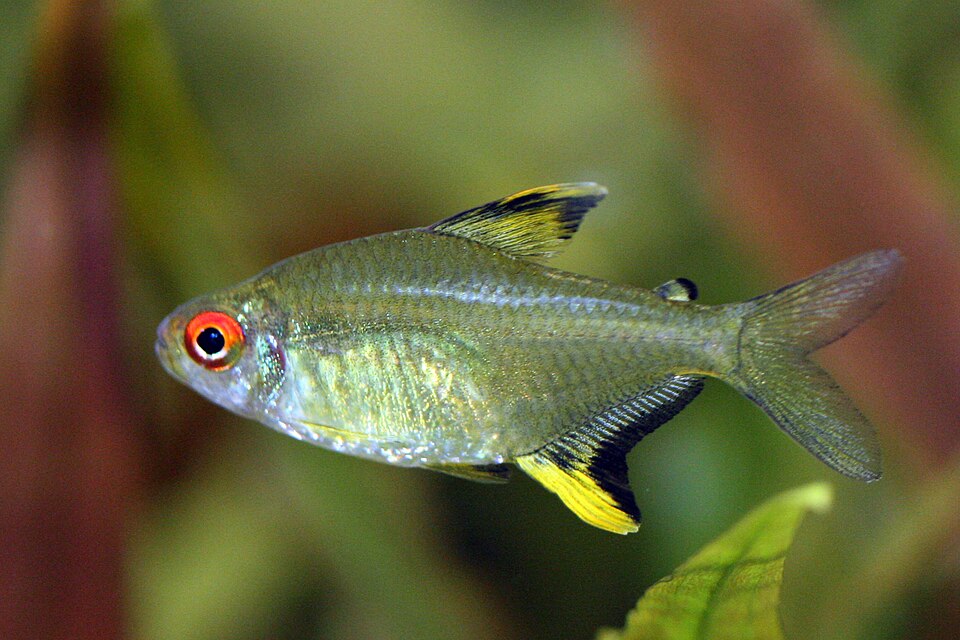
Lemon Tetra
Hyphessobrycon pulchripinnis