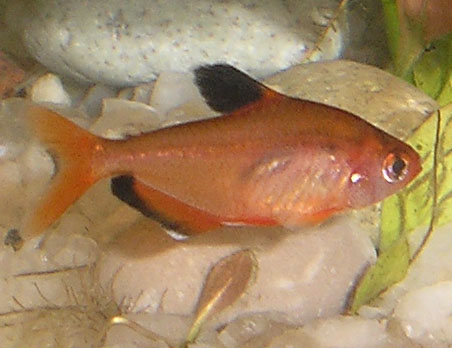
Serpae Tetra
Hyphessobrycon eques
Family: Characidae • Origin: South America
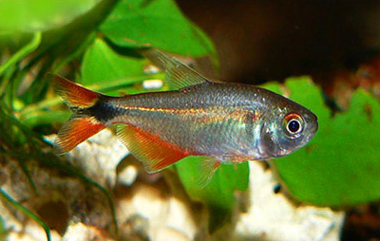
Serpae Tetras are deep red with a black shoulder spot. Beautiful but nippy — best kept with robust, fast-moving tankmates.
Is Serpae Tetra Right for Your Tank?
Serpae Tetra is an excellent choice for beginners — rated "beginner" difficulty (2/5). They're hardy, forgiving of minor water parameter fluctuations, and generally easy to feed. A 20-gallon tank minimum is standard — most community setups will accommodate them.
Serpae Tetra is semi-aggressive — they can live with others but may bully smaller or slower fish. Choose tank mates carefully. This is a schooling species — keep at least 6 together, or they may become stressed and display abnormal behavior. Warning: known fin-nipper. Avoid keeping with long-finned species like bettas, angelfish, or fancy guppies. Expected lifespan: 5 years with proper care.
Common Mistakes with Serpae Tetra
Keeping fewer than 6 together
Serpae Tetra is a schooling species — they need a group of at least 6 to feel secure. Lone or paired individuals become stressed, hide constantly, and may develop health issues or aggression.
Relying on a heater without a thermometer
Serpae Tetra needs 72–82°F. Heaters malfunction or drift over time — always use a separate thermometer to verify. Temperature swings of even 3–4°F can trigger stress and disease, particularly ich.
Putting them in a tank under 20 gallons
Many beginners underestimate tank size needs. Serpae Tetra requires at least 20 gallons — ideally 30. Cramped tanks lead to stunted growth, aggression, and poor water quality.
Housing with peaceful nano fish
Serpae Tetra is semi-aggressive — small, peaceful species like neon tetras, endlers, or celestial pearl danios will be stressed, bullied, or eaten. Choose tank mates that can hold their own.
Pairing with bettas, angelfish, or fancy guppies
Serpae Tetra is a known fin-nipper. Long-finned fish are irresistible targets — their flowing fins trigger nipping behavior that causes stress, infection, and fin rot in the victim.
Care Tips
- • Keep in groups of 8+ to reduce nipping
- • Avoid all long-finned fish
- • Hardy and active
- • Best with other semi-aggressive species
- • Intense red coloration
Feeding: Flakes, pellets, frozen foods. Voracious eater.
Compatibility Notes: Known fin-nipper. Keep in groups of 8+ to spread aggression. Avoid long-finned fish.
Tank Setup & Water Parameters
Tank Requirements
- Minimum Tank Size
- 20 gallons
- Recommended Tank Size
- 30 gallons
- Swimming Level
- middle
- Minimum School Size
- 6+ fish
Water Parameters
- Temperature
- 72–82°F
- pH Range
- 6–7.5
- Hardness (dGH)
- 5–15
- Water Type
- freshwater
Behavior & Temperament
- Temperament
- semi-aggressive
- Aggression Level
- 3/5
- Schooling
- Yes
- Territorial
- No
- Fin Nipper
- Yes ⚠️
- Predatory
- No
- Diet Type
- omnivore
- Growth Rate
- moderate
Known fin-nipper. Keep in groups of 8+ to spread aggression. Avoid long-finned fish.
Breeding
- Breeding Type
- egg layer
- Breeding Difficulty
- moderate
- Lifespan
- 5 years
Ideal For
Compatible Tank Mates
View all →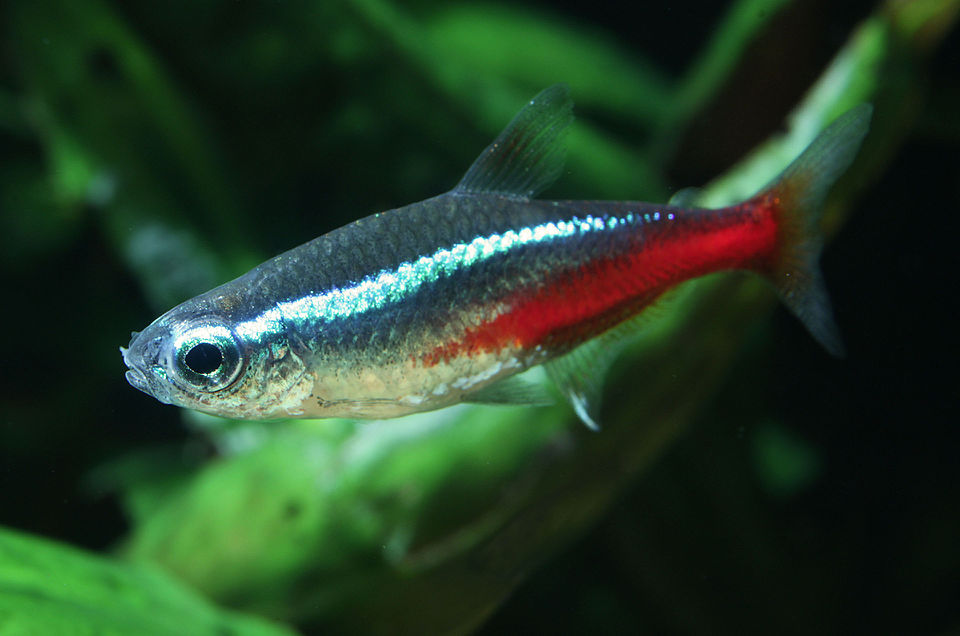
Neon Tetra
Paracheirodon innesi
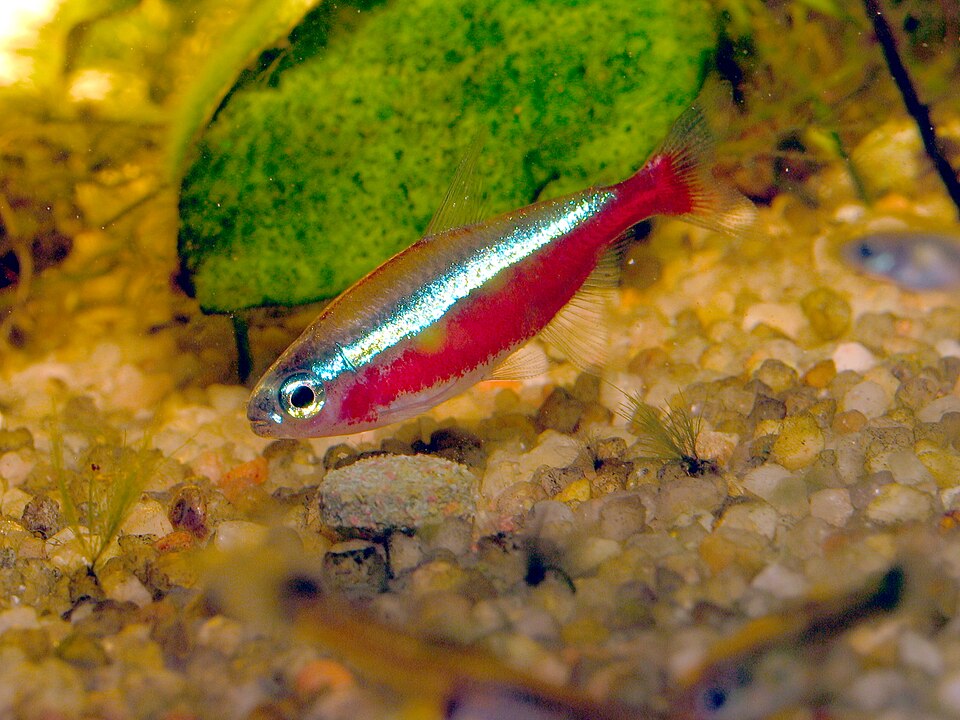
Cardinal Tetra
Paracheirodon axelrodi
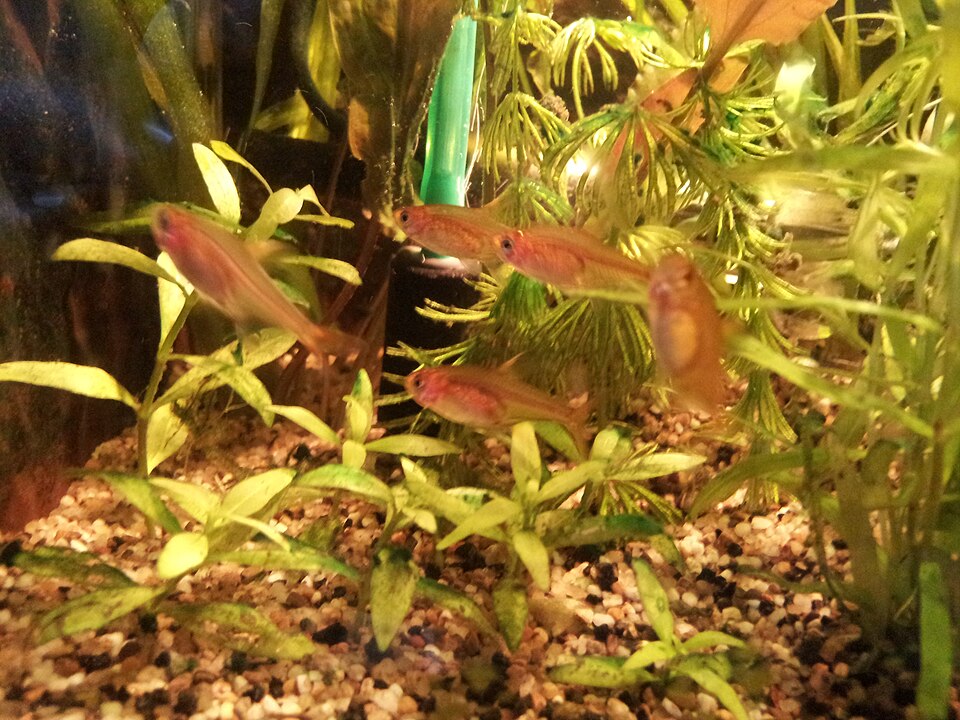
Ember Tetra
Hyphessobrycon amandae
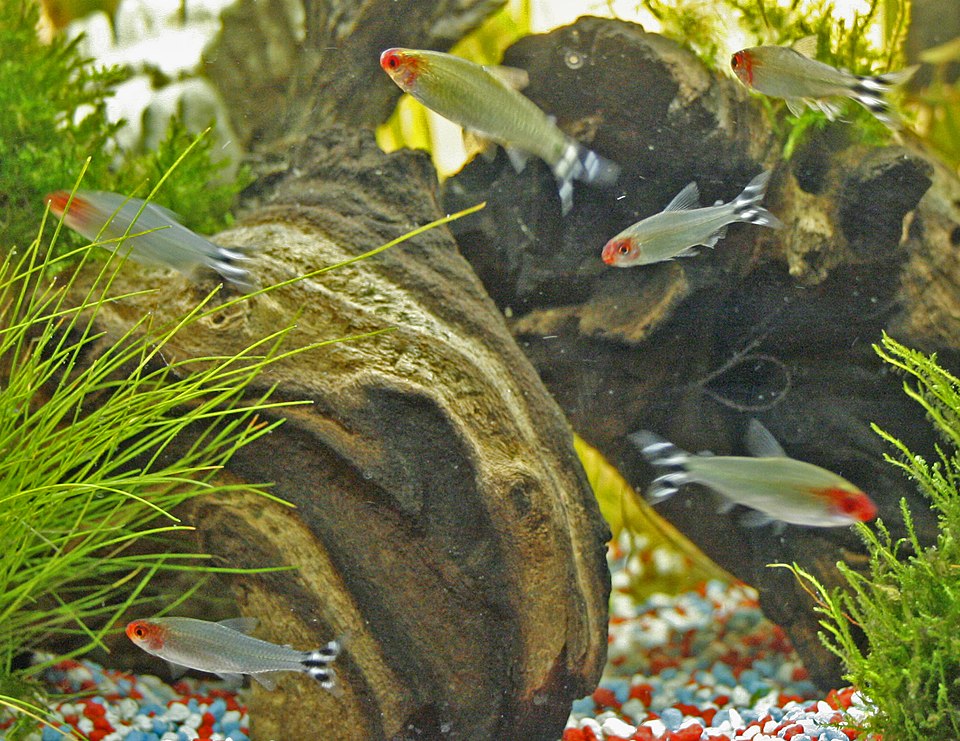
Rummy Nose Tetra
Hemigrammus rhodostomus
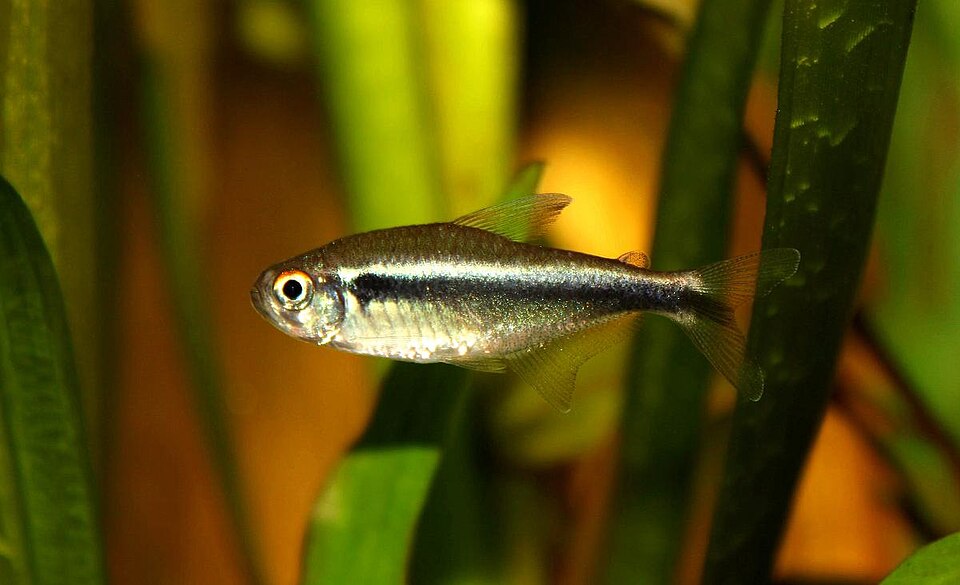
Black Neon Tetra
Hyphessobrycon herbertaxelrodi
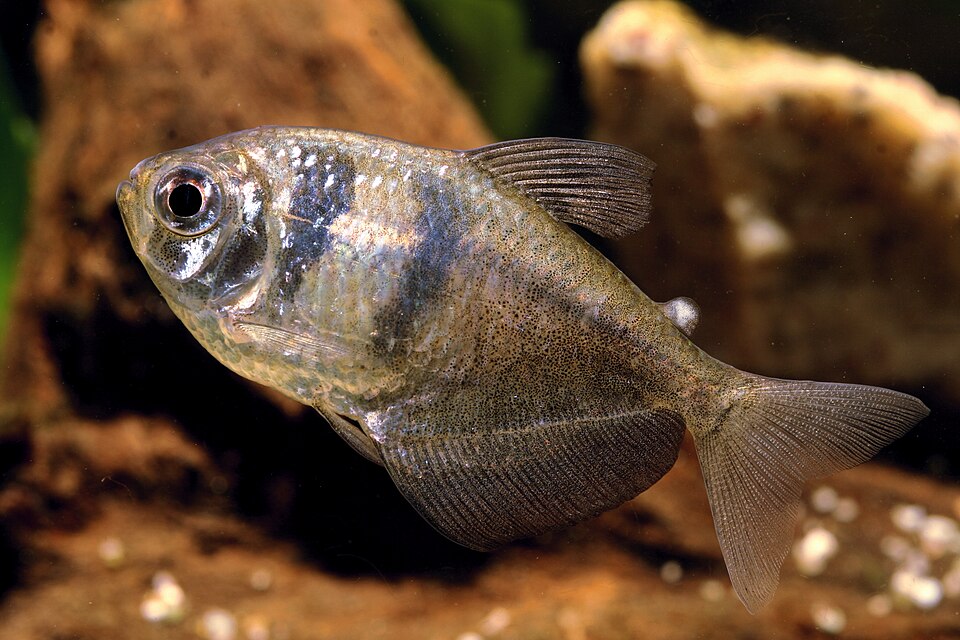
Black Skirt Tetra
Gymnocorymbus ternetzi
Similar Species
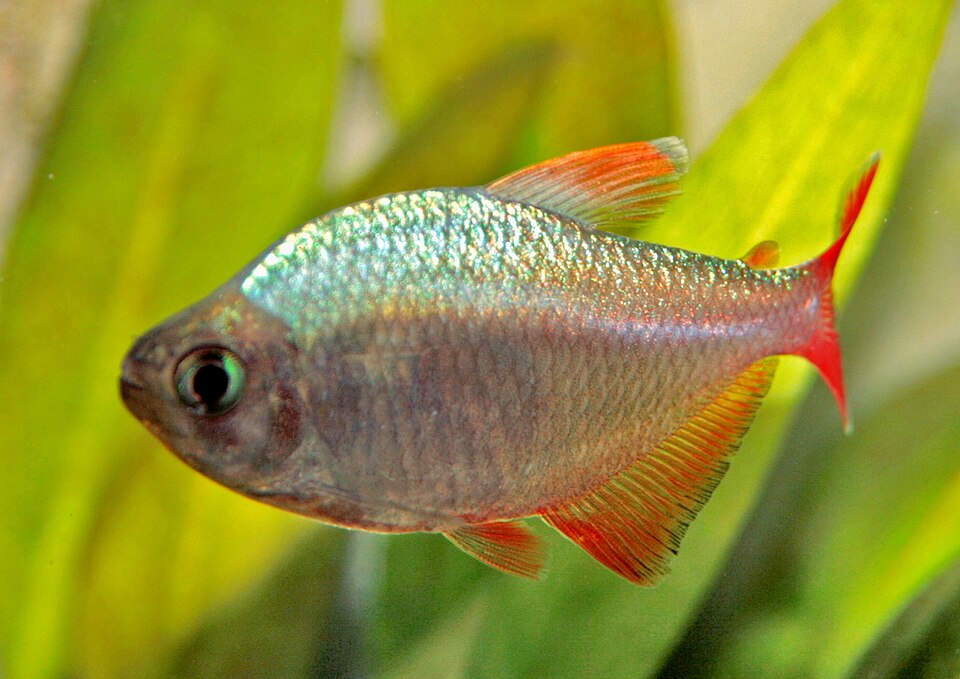
Colombian Tetra
Hyphessobrycon columbianus
Columbian Red Fin Tetra
Hyphessobrycon columbianus
Buenos Aires Tetra
Hyphessobrycon anisitsi
Rummy Nose Tetra
Hemigrammus rhodostomus