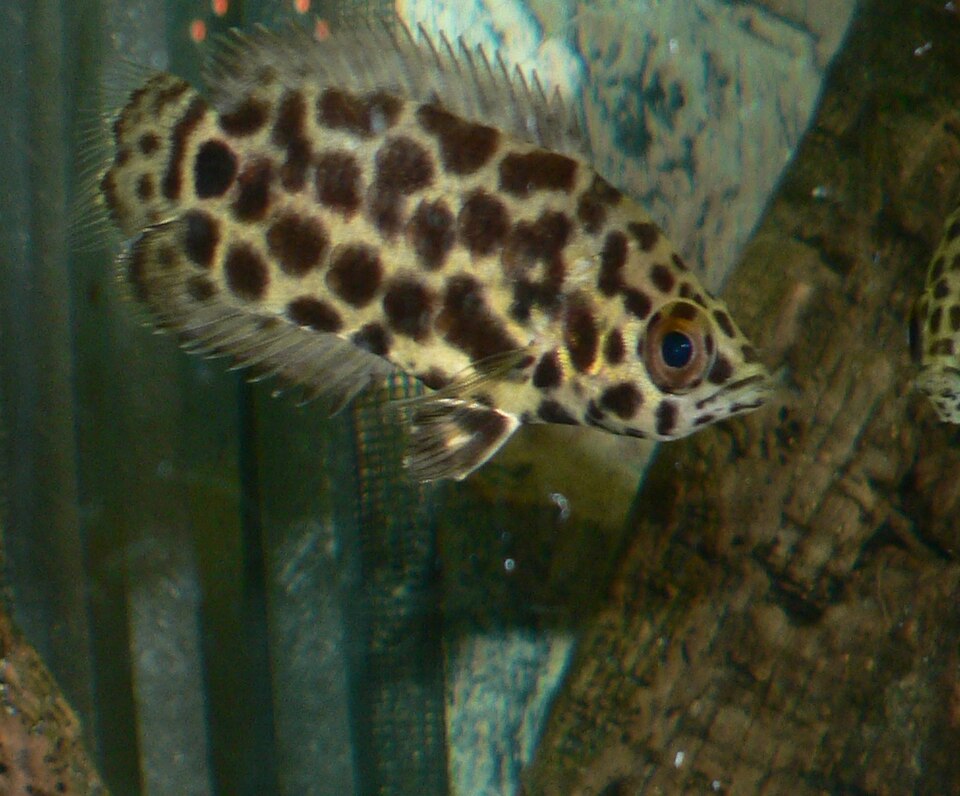
Spotted Climbing Perch
Ctenopoma acutirostre
Family: Anabantidae • Origin: Various
Spotted Climbing Perch (Ctenopoma acutirostre) is a semi-aggressive other reaching 6 inches. Can be kept singly. Minimum tank: 40 gallons.
Is Spotted Climbing Perch Right for Your Tank?
Spotted Climbing Perch is an excellent choice for beginners — rated "intermediate" difficulty (2/5). They're hardy, forgiving of minor water parameter fluctuations, and generally easy to feed. They need at least 40 gallons — a mid-size tank commitment. Plan your space accordingly.
Spotted Climbing Perch is semi-aggressive — they can live with others but may bully smaller or slower fish. Choose tank mates carefully. They are territorial — provide adequate hiding spots and maintain enough space to reduce aggression. Expected lifespan: 7 years with proper care.
Common Mistakes with Spotted Climbing Perch
Relying on a heater without a thermometer
Spotted Climbing Perch needs 72–82°F. Heaters malfunction or drift over time — always use a separate thermometer to verify. Temperature swings of even 3–4°F can trigger stress and disease, particularly ich.
Putting them in a tank under 40 gallons
Many beginners underestimate tank size needs. Spotted Climbing Perch requires at least 40 gallons — ideally 60. Cramped tanks lead to stunted growth, aggression, and poor water quality.
Housing with peaceful nano fish
Spotted Climbing Perch is semi-aggressive and territorial — small, peaceful species like neon tetras, endlers, or celestial pearl danios will be stressed, bullied, or eaten. Choose tank mates that can hold their own.
Care Tips
- • Max size: 6"
- • Temp: 72-82°F
- • pH: 6-7.5
- • Can be kept alone
- • semi-aggressive temperament
Feeding: Standard carnivore diet for Anabantidae.
Compatibility Notes: Typical semi-aggressive Anabantidae species.
Tank Setup & Water Parameters
Tank Requirements
- Minimum Tank Size
- 40 gallons
- Recommended Tank Size
- 60 gallons
- Swimming Level
- middle
Water Parameters
- Temperature
- 72–82°F
- pH Range
- 6–7.5
- Hardness (dGH)
- 5–15
- Water Type
- freshwater
Behavior & Temperament
- Temperament
- semi-aggressive
- Aggression Level
- 3/5
- Schooling
- No
- Territorial
- Yes
- Fin Nipper
- No
- Predatory
- No
- Diet Type
- carnivore
- Growth Rate
- moderate
Typical semi-aggressive Anabantidae species.
Breeding
- Breeding Type
- egg layer
- Breeding Difficulty
- moderate
- Lifespan
- 7 years
Ideal For
Compatible Tank Mates
View all →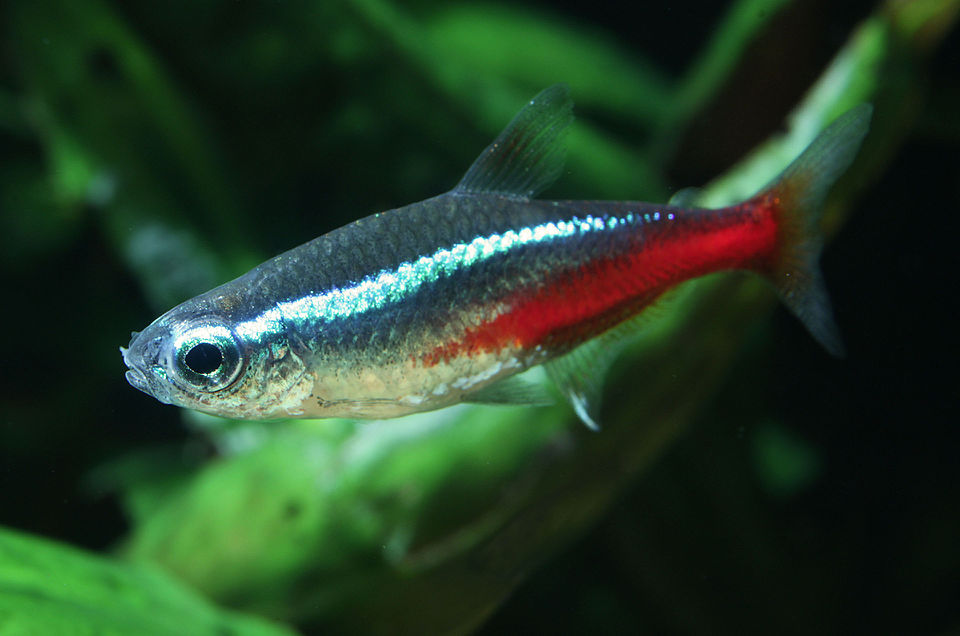
Neon Tetra
Paracheirodon innesi
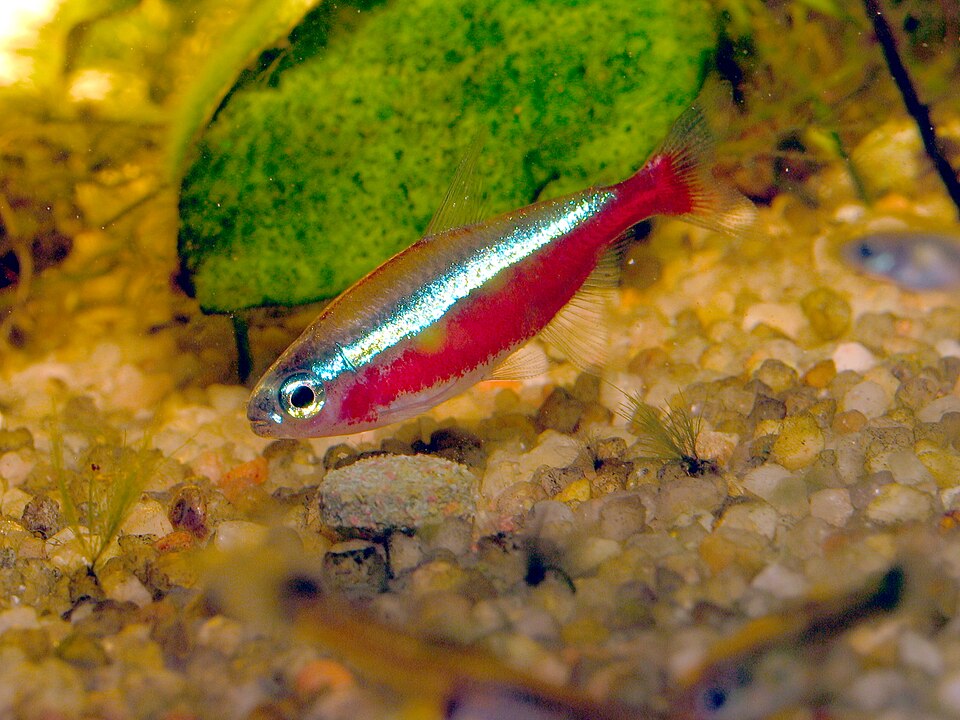
Cardinal Tetra
Paracheirodon axelrodi
Ember Tetra
Hyphessobrycon amandae
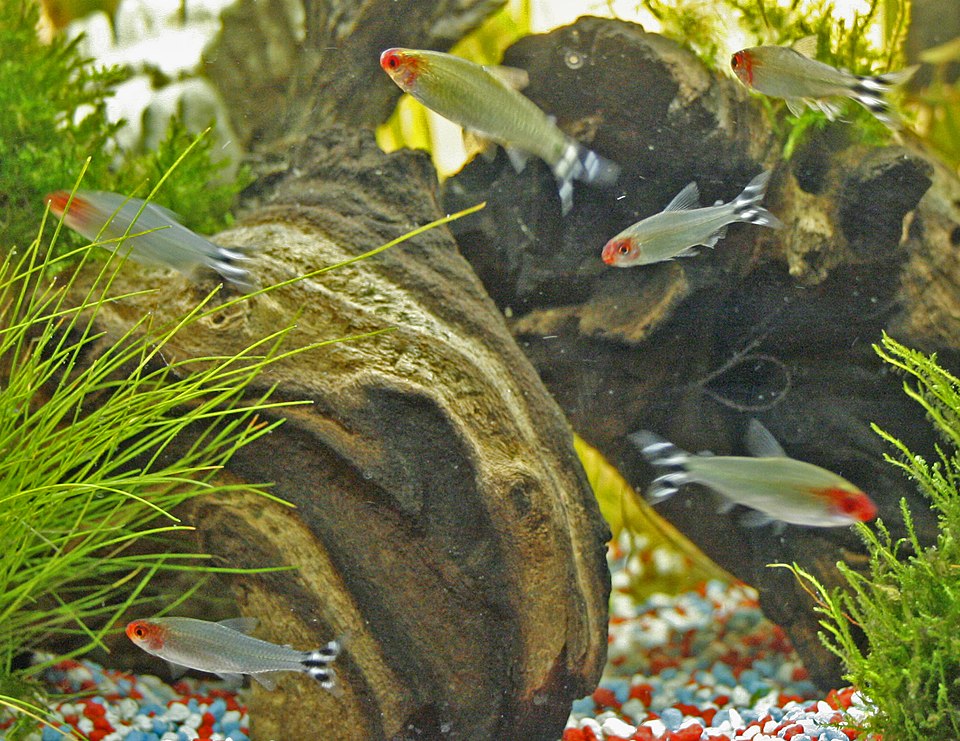
Rummy Nose Tetra
Hemigrammus rhodostomus
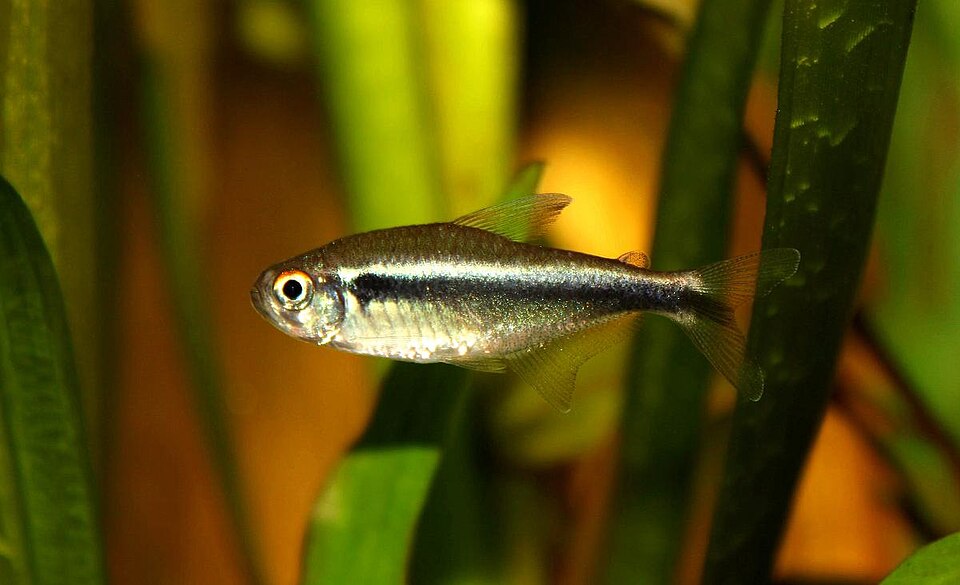
Black Neon Tetra
Hyphessobrycon herbertaxelrodi
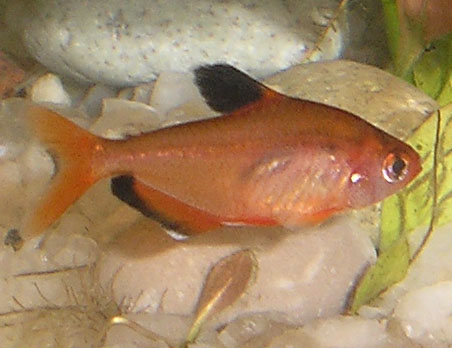
Serpae Tetra
Hyphessobrycon eques
Similar Species
Leopard Bushfish
Ctenopoma acutirostre
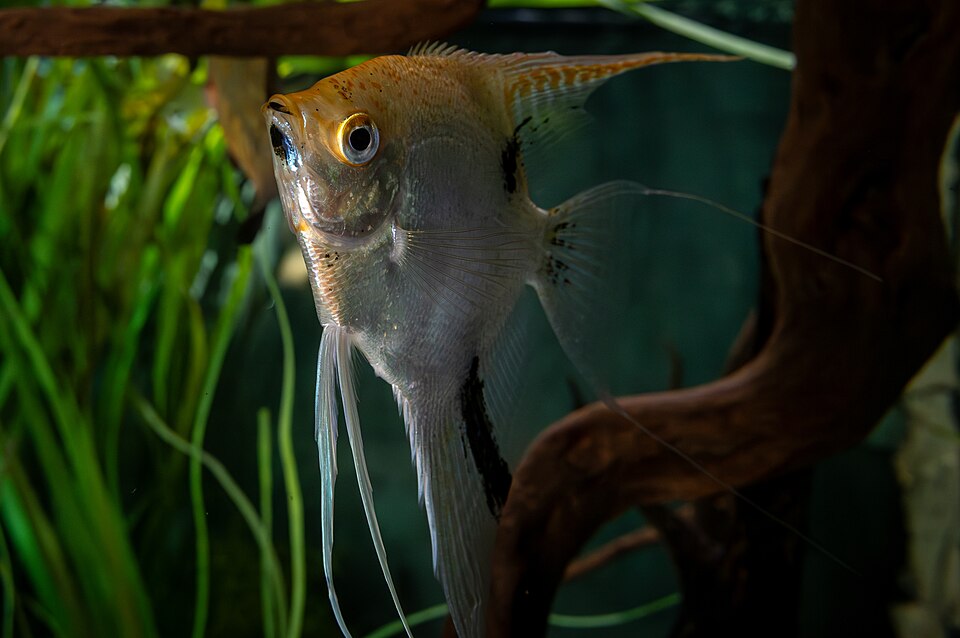
Angelfish
Pterophyllum scalare
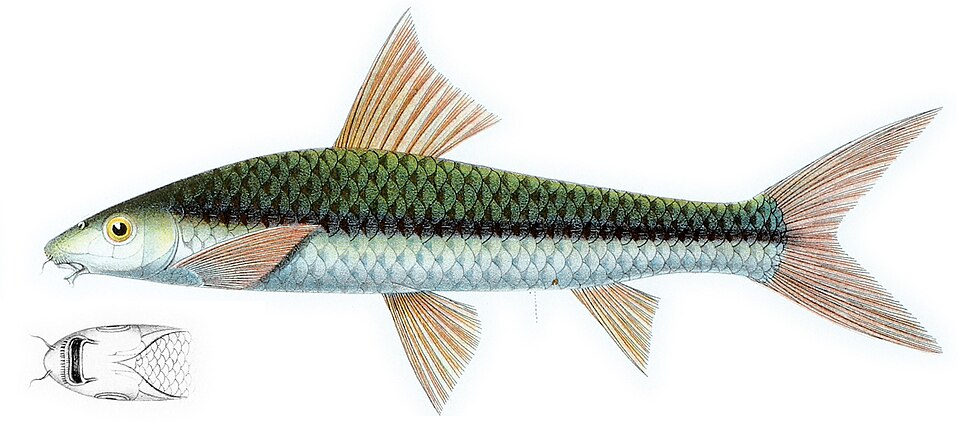
Siamese Algae Eater
Crossocheilus oblongus
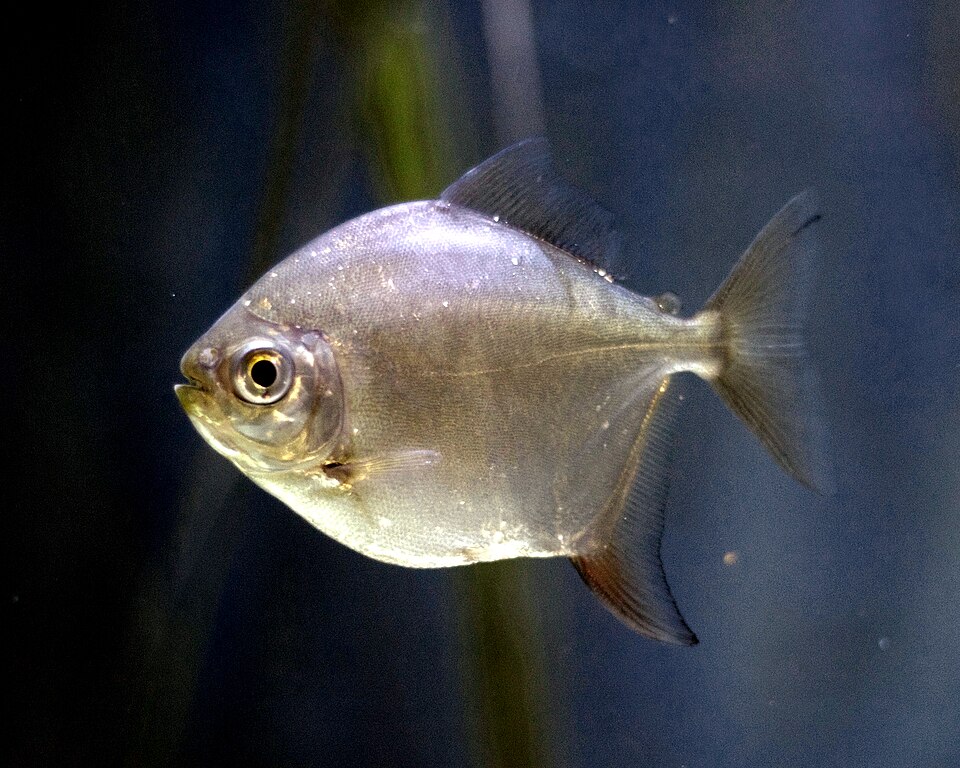
Silver Dollar
Metynnis argenteus